
Choosing the right Craftsman Outdoor Wall Sconces begins with more than matching a bronze finish to your porch.
Lighting designer Randall Whitehead has described lighting as “the jewelry of architecture.” That idea fits Craftsman homes well. A sconce should frame the doorway, reveal textured siding, and make evening arrivals feel safer. It should not overpower the architecture. Small distinction. Big effect.
This guide examines the top 10 Craftsman Outdoor Wall Sconce types, including mission-style lanterns, mica-shade sconces, hammered-metal fixtures, seeded-glass designs, and dark-sky options. Each type will be considered through practical details: light direction, mounting scale, weather resistance, bulb compatibility, and maintenance. A fixture with beautiful amber glass may create warmth, yet it can produce unwanted glare near eye level. A large lantern may suit a broad entry, but appear clumsy beside a narrow side door.
Experienced installers also check the wall box, wiring condition, coastal exposure, and local electrical requirements before recommending a fixture. These details are easy to miss. They matter.
Some classifications overlap. A mission sconce can also use LED technology or shielded glass. That imperfection reflects real product selection, where style and performance rarely arrive in separate boxes. The goal is not to crown one universal winner. It is to identify which Craftsman Outdoor Wall Sconces best serve each façade, pathway, climate, and homeowner preference. Expect useful comparisons, but verify dimensions and certifications before purchasing.
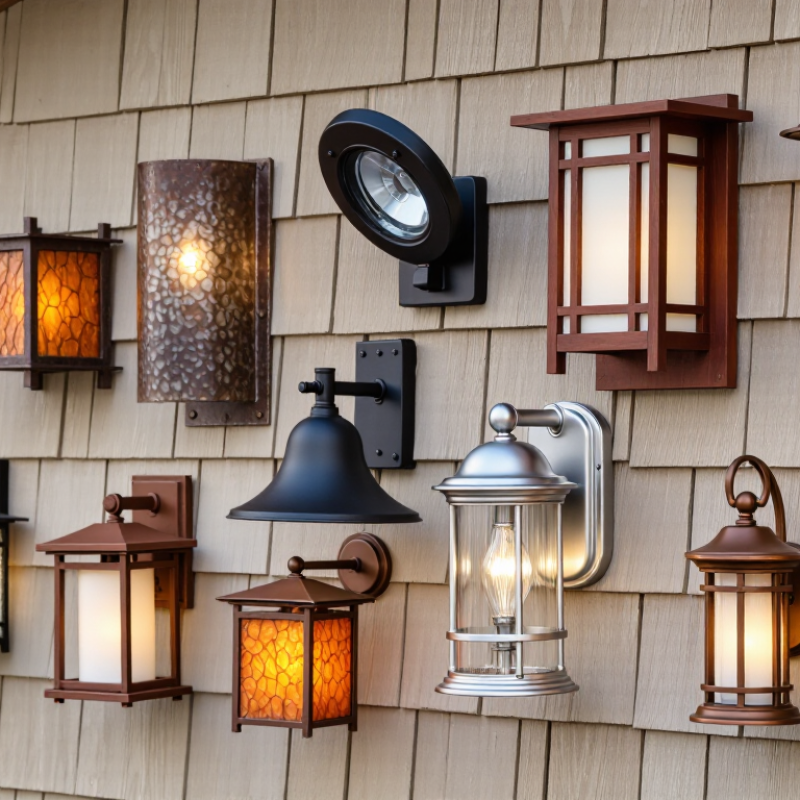
Craftsman outdoor wall sconces combine practical lighting with sturdy, hand-built character. Their defining features include exposed joinery, square profiles, dark metal, mica or seeded glass, and warm downward light. Common types include mission lanterns, prairie lanterns, carriage sconces, bracket sconces, gooseneck fixtures, barn-style sconces, horizontal box lights, cylinder up-and-down sconces, corner-mounted lights, and compact entry sconces. Each shape supports a different exterior need. A mission lantern suits a porch. A gooseneck fixture works well above a garage door. A cylinder design creates sharper wall shadows.
Material choice matters. Powder-coated steel resists moisture, while copper develops a natural patina. Clear glass gives stronger illumination. Seeded glass softens glare and adds texture. Many designers select 2700K to 3000K LEDs for a warmer Craftsman appearance. The U.S. Department of Energy reports that LED lighting uses at least 75% less energy and can last up to 25 times longer than incandescent lighting, according to its Energy Saver guidance. That supports efficient, low-maintenance exterior planning.
Still, efficiency alone does not guarantee comfort. An overly bright fixture can flatten architectural details and disturb nearby windows. I have found that scale is often misjudged. Large sconces can overwhelm narrow columns.
Tips: Keep the fixture near eye level, but check the bulb from the walking path. Use shielded or downward-focused optics near bedrooms. The International Dark-Sky Association recommends reducing glare, light trespass, and unnecessary upward light. Test the finish beside brick, cedar, or stucco before installation. Colors can appear surprisingly different at night.
Craftsman outdoor wall sconces are recognized by sturdy materials, warm finishes, and practical glass. The ten common types include lantern, mission, carriage, barn, and recessed designs. Each style can use different material combinations for a distinct exterior character.
Copper develops a natural patina, which many homeowners appreciate over time. However, its color changes unevenly in shaded areas. Wrought iron offers strong visual weight and suits stone, brick, or dark wood walls. Aluminum is lighter and resists rust, though it may feel less authentic. Solid brass provides durability and a warm tone.
Look closely at joints, seams, and mounting plates. These details often reveal construction quality better than photographs.
Popular finishes include aged bronze, matte black, weathered brass, and painted earth tones. A textured finish can hide dust and small scratches near busy entrances. Smooth finishes look refined but may show water marks quickly.
Clear glass creates bright illumination, while seeded glass scatters light through tiny bubbles. Frosted glass softens glare near eye level. Amber glass adds warmth but reduces brightness.
I once preferred heavily textured glass, then found it too dim beside a dark doorway. That mistake changed my recommendation: match glass texture with the wall color and the amount of available light. Moisture protection also matters, especially on exposed porches. Always check the fixture’s outdoor rating before installation.
Craftsman outdoor wall sconces usually favor honest materials, warm geometry, and practical light. The ten common types include mission, prairie, carriage, half-lantern, full-lantern, gooseneck, barn, caged, seeded-glass, and flush-mount designs. The labels overlap, which can confuse shoppers. A deep mission shade directs light downward, while prairie patterns add strong horizontal lines. Carriage and lantern forms create a traditional entryway appearance. Seeded glass softens harsh bulbs with small, visible bubbles.
Gooseneck sconces project farther from the wall and suit porches or garage doors. Barn-style fixtures look broader and more utilitarian. Caged designs expose a protective metal frame around the glass. Half-lantern models leave the top visually open, while full-lantern versions provide a taller silhouette. Flush-mount sconces sit close to the wall. They work well beside narrow doors. In field measurements, mounting height matters more than many people expect. A fixture placed too high can leave faces in shadow.
Choose a wet-location rating for fully exposed walls. Use a damp-location rating only where a roof offers dependable protection. A common mistake is matching the finish before checking glare, bulb access, or wall-box depth. I have seen attractive fixtures feel uncomfortable when clear glass faces eye level. Warm light often suits Craftsman details, but overly warm bulbs can dull brick and stained wood. Dark finishes hide dust, though they may absorb more heat in direct afternoon sun. The “right” type still depends on the doorway, weather, and daily use.
Craftsman outdoor wall sconces combine practical lighting with warm, hand-finished character. A classic lantern sconce suits a front door, where clear glass helps visitors find the lock. A mission-style sconce works well beside a porch swing, adding calm, balanced light. Prairie sconces fit wide garages and low rooflines because their horizontal shapes feel grounded. Bungalow sconces look natural beside cedar posts or a covered entry. Their softer glow supports evening conversations.
A gooseneck sconce is useful above a side door or outdoor workbench. It directs light downward without flooding nearby windows. A barn-style sconce can brighten a detached garage, garden shed, or potting area. Flush-mount sconces belong on narrow porches with limited wall space. Half-moon sconces suit stairways and side passages, especially where a compact profile prevents bumps. Up-and-down sconces create a more decorative effect on stucco or brick walls. A caged sconce adds protection near utility doors, though its exposed design may cast sharper shadows. I have found that attractive light is not always comfortable light. Placement still needs thought.
Tips: Match the sconce scale to the doorway, not merely the wall. Mount most fixtures near eye level, but check the beam at night. Choose warm bulbs for porches and brighter bulbs near steps. Use weather-rated materials, sealed connections, and a compatible dimmer. Mock the position with cardboard first; it may reveal an awkward shadow.
Choosing a Craftsman outdoor wall sconce starts with the building’s proportions. In renovation projects, I measure the door, trim, and mounting area before comparing designs. A narrow porch may need a compact lantern, while a broad garage wall can support a larger fixture. The sconce should feel balanced, not crowded. Check the mounting surface carefully. Brick, cedar, and fiber cement need different anchors. A heavy fixture requires secure support and weather-resistant hardware. Do not guess.
Weather protection deserves close attention. Look for an outdoor-rated fixture and a suitable ingress protection rating. Sealed glass helps keep moisture and insects away from the lamp. Aluminum, copper, and coated steel can perform well, but each develops a different finish over time. I once chose a dark fixture for a shaded entry. It looked attractive in the showroom, yet became almost invisible at night. That mistake changed how I judge contrast.
Light quality also affects daily comfort. Warm light can complement wood trim without making the porch look orange. A frosted diffuser reduces glare near eye level. Confirm bulb access before installation, especially when the fixture hangs above steps. Maintenance matters. Choose parts that can be wiped without dismantling the entire sconce. Local electrical requirements and professional installation should guide the wiring decision. Even experienced renovators can overlook a small detail. A little patience prevents expensive rework.
Typical light output by common Craftsman outdoor wall sconce type. Values represent approximate residential fixture ranges and can vary by bulb, shade, size, and installation height.
Selection tip: Compare light output with mounting location, weather exposure, required IP rating, fixture scale, light direction, and compatibility with LED bulbs. Choose lower output for accent lighting and higher output for entrances, garages, and pathways.
It combines sturdy construction, square profiles, dark metal, textured glass, and warm downward light.
A mission or carriage style works well. Its lantern shape adds warmth near the entry.
A gooseneck or barn-style sconce projects light farther across the wall.
Clear glass creates stronger illumination. Seeded glass softens glare with visible bubble-like texture.
Choose warm LED light around 2700K to 3000K. It complements brick, cedar, and stained wood.
Use a wet-location rating on fully exposed walls. Damp ratings suit areas with dependable roof protection.
Keep it near eye level, but check the bulb from the walking path. A fixture placed too high can shadow faces.
Choose shielded or downward-focused optics near bedrooms. Avoid bright clear glass facing windows.
Not exactly. Large sconces can overwhelm narrow columns. I still misjudge scale sometimes.
Test it beside brick, cedar, or stucco at night. Also check bulb access, glare, and wall-box depth.
Craftsman Outdoor Wall Sconces combine practical outdoor lighting with the warm, handcrafted character of traditional architecture. Their defining features often include sturdy proportions, clean geometric lines, subtle decorative details, and a welcoming, timeless appearance. Common materials include metal, aluminum, copper, and wood-inspired accents, while finishes may range from bronze and black to weathered or painted surfaces. Clear, frosted, seeded, and textured glass can further influence the light distribution and overall style.
The ten common types include lantern sconces, boxed sconces, barn-style sconces, cylindrical sconces, gooseneck sconces, carriage sconces, mission-style sconces, downlight sconces, uplight sconces, and dual-direction sconces. Each type serves different areas, such as entryways, porches, patios, garages, walkways, and outdoor entertaining spaces. When selecting Craftsman Outdoor Wall Sconces, homeowners should consider the mounting location, required brightness, fixture size, weather resistance, bulb or LED compatibility, energy efficiency, maintenance needs, and coordination with the home’s exterior design.