
A Chandel-Air is a ceiling fan and chandelier in one fixture: a compact motor moves the blades, while integrated lights add a decorative focal point. The effect is practical as well as visual. Picture a dining table beneath warm glass shades, with a gentle breeze stirring the room without a separate fan interrupting the ceiling’s design. Chandel-Air Ceiling Fan Fixtures suit rooms where both light and air movement matter, but their size, blade clearance, brightness, and control options deserve careful attention.
The U.S. Department of Energy’s Energy Saver guidance says ceiling fans can let occupants raise a thermostat setting by about 4°F without reducing comfort. Fans do not lower room temperature; they move air across the skin. That distinction matters. A fan left running in an empty room uses electricity without cooling anyone. For an overhead fixture, the right choice also depends on ceiling height, room dimensions, and whether the light provides enough usable illumination.
When comparing models, look beyond the chandelier-like silhouette. Check the fan’s airflow rating, motor type, light output, and compatibility with wall controls or dimmers. The U.S. Department of Energy recommends choosing a fan sized for the room and installing it so its blades have adequate clearance. A beautiful fixture can still disappoint if it feels weak, hangs too low, or casts harsh light. One limitation: appearance alone cannot tell you how quietly or efficiently a model will perform. Verify its specifications before buying.
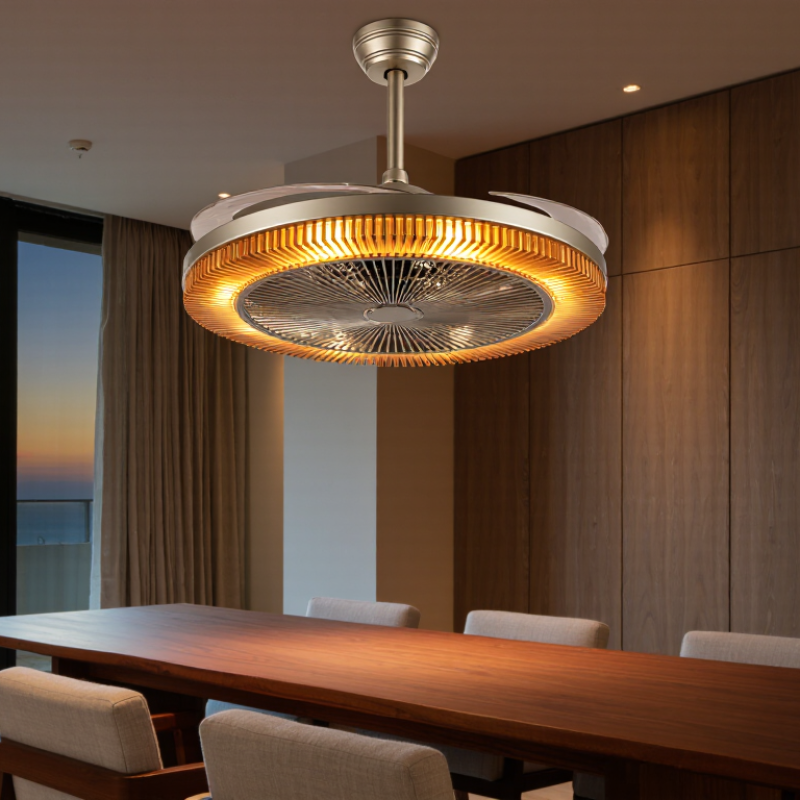
A chandel-air ceiling fan fixture combines a ceiling fan and a decorative light in one overhead unit. Its fan circulates room air, while the central fixture provides ambient or task lighting. Unlike an air conditioner, it does not lower the room’s actual temperature. You feel cooler because moving air helps moisture evaporate from your skin. The effect is most noticeable on a warm afternoon, with blades turning above a sofa or dining table.
Its purpose is to provide airflow and lighting without requiring separate ceiling installations. That can be useful in rooms where ceiling space is limited. ENERGY STAR’s ceiling-fan guidance says certified fan-and-light units can use up to 60% less energy than conventional units. Actual savings depend on the model, operating speed, and how often its light is used. A dimmable light and reversible fan direction can add flexibility across seasons. The U.S. Department of Energy also advises switching fans off in empty rooms, since fans cool people, not rooms. A small but easy-to-miss detail: blade clearance and ceiling height affect comfort and safe placement. The name can feel a little awkward, and product designs vary, so check the fixture’s airflow and light output rather than relying on appearance alone.
A chandel-air combines a ceiling fan and a light fixture in one overhead assembly. The canopy covers the ceiling connection, while a downrod or mounting bracket supports the motor. Blades attach to the motor and move air around the room. Below or around them, the light assembly holds the sockets or integrated light source. Their placement varies, so check the fixture’s layout before choosing a bulb or planning furniture beneath it.
The motor turns the blades; the light works independently through its own wiring and controls. Separate switches or a compatible remote can adjust airflow and illumination. That balance matters. A fan can help circulate air, but it does not cool a room like an air conditioner. The fixture’s weight, ceiling support, blade clearance, and wiring all affect safe operation. One trade-off is worth considering: a combined fixture saves ceiling space, yet its lighting may not suit every room. Check the installation instructions and have a qualified professional assess uncertain wiring or support.
Tips: Measure the ceiling height and blade span before purchase. Use the recommended bulb type, and keep blades clean. Small details matter. If the light feels dim, reconsider bulb brightness and shade design before assuming the fan is the problem.
A chandel-air ceiling fan fixture combines moving fan blades with the decorative presence of a chandelier. Common designs include compact fixtures with a central light and low-profile blades, plus larger styles with several visible light arms. Some hide the blades above a decorative housing; others let them remain part of the design. That difference affects the room’s overall look. It can also influence how easily dust is noticed.
Frames are often made from steel or other finished metals, while shades may use clear, frosted, or seeded glass. Crystal-like drops add sparkle, but they need regular cleaning and can feel busy in a small room. Wood-finished blades can soften a metal frame and suit warmer interiors. Check the fixture’s weight and ceiling clearance before choosing one. A striking design is not always the easiest to maintain.
Lighting options range from exposed candle-style bulbs to enclosed shades and integrated LED modules. Dimmable lighting can make a dining area feel calmer at night, while brighter output helps with everyday tasks. Warm light tends to flatter wood and fabric; cooler light can make pale surfaces look crisp. Not every fixture supports dimming, so confirm compatibility before purchase. I would also compare the light’s spread, not just its listed brightness. A beautiful fixture can still leave corners oddly dim.
A chandel-air fixture combines a ceiling fan with an overhead light, so airflow and illumination need to work well together. Check the fan’s airflow rating, listed in cubic feet per minute, and its efficiency in CFM per watt. The U.S. Department of Energy’s ceiling-fan test procedure uses these measures to compare performance. A larger room may need more airflow, but blade size, ceiling height, and furniture placement also affect how the breeze feels. Numbers help. They do not replace a room check. DOE guidance notes that a ceiling fan can let occupants raise the thermostat by about 4°F while maintaining comfort, provided the breeze reaches people in the room.
For light output, compare lumens rather than watts: lumens describe the amount of visible light, while watts describe energy use. The Department of Energy’s Lighting Facts guidance uses lumens to help consumers compare lighting products. Look for a fixture with enough light for the room, plus dimming if you want softer evening illumination. Controls may include separate fan and light switches, pull chains, a remote, or app-based settings. Confirm that the wall control is compatible with the fixture; a mismatched control can limit speed or dimming. One small trade-off: integrated controls are convenient, but a lost remote can make adjustments awkward.
A Chandel-Air combines a ceiling fan with a chandelier-style light fixture. When choosing one, start with the room’s size and ceiling height. A fan that is too small may not move enough air, while an oversized fixture can dominate a compact room. Check the manufacturer’s airflow and installation guidance, and leave adequate clearance above the floor and around nearby walls. Measure twice. Sloped ceilings may also require compatible mounting hardware.
Consider how the fixture will work in daily use, not just how it looks. Compare the light output, bulb type, dimming options, and fan-speed controls. In a dining area, glare over the table can be annoying; warm, dimmable light may feel more comfortable. Listen for noise concerns if the fixture will hang above a bed or desk. Remote controls are convenient, though a wall control can be easier for guests to understand. Small detail, big difference.
Materials and maintenance matter, too. Dust can collect on fan blades and decorative arms, so inspect whether surfaces are easy to reach and clean. Check the fixture’s weight and electrical requirements, and use a qualified installer when the ceiling support or wiring is uncertain. It is tempting to choose the most ornate design, but that choice may make cleaning harder than expected. I would pause over that trade-off. A little less sparkle can sometimes suit the room better.
When choosing a chandelier-style ceiling fan, match the fan diameter to the room size. These general recommendations can help you choose a suitable starting point; also check ceiling height, blade clearance, lighting needs, and the fixture’s airflow rating.
Room-area and fan-diameter ranges are general sizing guidelines. Follow the fixture manufacturer’s installation and clearance requirements.
It combines a ceiling fan and overhead light. Some designs show the blades, while others hide them above a decorative housing.
Visible blades become part of the design. Hidden blades create a cleaner look, though dust may be less obvious.
Metal frames, glass shades, and wood-finished blades are common. Crystal-like drops add sparkle but need regular cleaning.
Check its weight and ceiling clearance before choosing it. A striking fixture may be awkward to maintain.
Options include exposed bulbs, enclosed shades, and integrated LED modules. Dimming can create softer evening light.
Compare lumens to judge visible light output. Watts describe energy use, not how bright the room will look.
Check its airflow rating and efficiency in CFM per watt. Room size, ceiling height, and furniture also matter.
Fixtures may use separate switches, pull chains, remotes, or app-based settings. Confirm that the wall control is compatible.
A fan may let occupants raise the thermostat by about 4°F when the breeze reaches them. Numbers help, but room checks matter too.
Chandel-Air Ceiling Fan Fixtures combine the decorative presence of a chandelier with the practical function of a ceiling fan. They typically bring together a motor, fan blades, a light assembly, and a supporting fixture, with each part contributing to airflow, illumination, or overall appearance. Designs range from traditional and ornate to clean and contemporary, using materials such as metal, glass, and crystal-style accents. Lighting options may include exposed bulbs or enclosed shades, depending on the fixture’s look and intended use.
When choosing one, consider the room’s size and ceiling height, the fan’s airflow, the brightness and color of its light, and the controls available. Remote controls, wall switches, and adjustable fan speeds can make operation more convenient. Matching the fixture’s dimensions and style to the space helps balance comfort, light, and visual appeal.