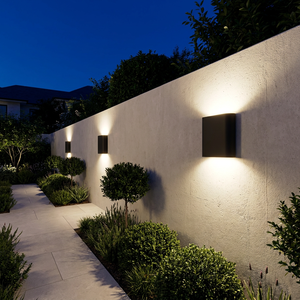
Browse our engineered collection of high-performance outdoor sconces, hand-cut glass shades, wabi-sabi stone luminaires, and architectural custom fixtures manufactured under rigorous UL/cUL standards.
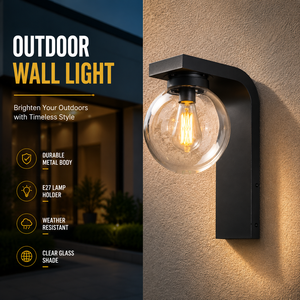
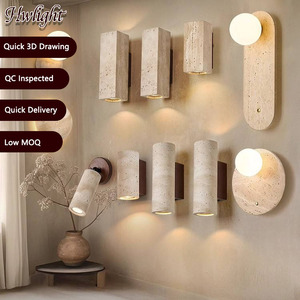
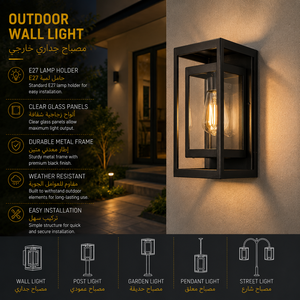
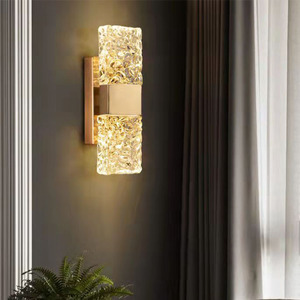
In the contemporary architectural ecosystem, procuring custom Tiffany stained glass, art-glass diffusers, and heavy decorative metalwork requires evaluating manufacturers far beyond basic aesthetic appeal. Commercial projects—ranging from boutique luxury hotels and gaming venues to civic heritage restorations—demand precise structural engineering, rigorous thermal stress management, low-lead or lead-free compliance, and seamless integrated LED optics.
Assessing steel frame reinforcement, copperfoil shear strength, and dead-load distribution for grand ceiling installations and high-traffic public spaces.
Evaluating glass coefficient of thermal expansion (CTE), annealing protocols, color rendering index (CRI > 95), and lumen maintenance under continuous operation.
Verification of UL 1598, cUL, CE, and RoHS certifications for dry, damp, and wet locations across global municipal zoning specifications.
| Evaluation Metric | Tier 1 Industrial OEM/ODM (e.g. Meyda) | Artisan Studio Scale | Standard Import Sourcing |
|---|---|---|---|
| Vertical Integration | Full (Glass, Metal, Finish & Wiring In-House) | Partial (Outsourced Metals & Electronics) | Assembly Only (Third-Party Sourcing) |
| Structural Engineering Support | Complete Shop Drawings, Wind Load & Weight Data | Basic Concept Sketches | Standard Catalog Specs Only |
| Glass Joinery Techniques | Copperfoil, Hand-Soldered Lead/Zinc Came, Fused Glass | Traditional Lead Came Focus | Adhesive / Simulated Stained Glass Overlay |
| Electrical Certification | UL / cUL Listed Dry, Damp, Wet Locations | Component-Only Listed | Variable / Non-Certified Assemblies |
| Lead Times (Custom) | Controlled Internal Timeline (4-8 Weeks) | 12-24 Weeks (Craft Bottlenecks) | 16-28 Weeks (Container Shipping Delays) |
An in-depth analysis of the leading manufacturers shaping decorative art glass, custom Tiffany lighting, and architectural stained glass fabrication.
Headquartered in Yorkville, New York, Meyda Lighting stands as the premier American manufacturer of handcrafted Tiffany stained glass, custom architectural fixtures, and decorative luminaires. Tracing its lineage back to the 1970s and acquiring the historic Quality Bent Glass Company, Meyda operates an expansive single-roof manufacturing complex spanning metal forging, glass cutting, kiln firing, copperfoil soldering, and hand finishing.
Core Specialization: Custom multi-tier chandeliers, Louis Comfort Tiffany reproductions, Chandel-Air ceiling fan integration, and UL/cUL certified commercial hospitality installations.
Established in 1897 in Los Angeles, Judson Studios is the oldest continuously operating stained glass studio in North America. Combining historic lead came techniques with state-of-the-art fused art glass kiln systems, Judson excels in massive architectural windows and modern ecclesiastical installations.
Core Specialization: Fused stained glass facades, restoration of historic monuments, and fine-art architectural windows.
With a heritage exceeding 120 years, Willet Hauser has designed and fabricated stained glass windows for over 30,000 structures globally. Their facility utilizes specialized protective storm glazing techniques alongside traditional mouth-blown glass assembly.
Core Specialization: Dalle de Verre (faceted glass), stained glass conservation, and large-scale religious architecture.
Operating since 1888 in Indiana, Kokomo Opalescent Glass is legendary for manufacturing raw colored sheet glass supplied to stained glass studios worldwide. Famous for providing glass to Louis Comfort Tiffany, Kokomo continues hand-rolling premium opalescent and cathedral glass sheets.
Core Specialization: Raw art glass sheets, hand-blown rondels, and custom glass formulations for lighting manufacturers.
Based in Portland, Oregon, Bullseye Glass Co. revolutionized the art glass industry by developing tested-compatible glass for kiln-forming, fusing, and casting. Their technical research into thermal expansion consistency makes them a cornerstone supplier for modern stained glass artists.
Core Specialization: COE 90 compatible sheet glass, casting billets, and kiln-forming glass technologies.
Located in Paden City, West Virginia, Wissmach has produced decorative sheet glass since 1904. Known for a vast palette of textures—including core, hammered, ripple, and granite textures—Wissmach supplies structural and decorative glass to global fabrication plants.
Core Specialization: Textured cathedral glass, rolled sheet glass, and specialized low-iron colored diffusers.
Derix Glasstudios in Taunusstein, Germany, is globally renowned for collaborating with modern artists and architects to create massive exterior glass facades, screen-printed stained panels, and laminated structural art glass installations.
Core Specialization: Acid-etched art glass, airbrushing on glass, and insulated structural stained glass units (IGUs).
Founded in 1847, Franz Mayer of Munich is an international studio for stained glass and mosaic art. Combining traditional glass painting techniques with modern digital printing and waterjet cutting, Mayer serves major international transit hubs and public monuments.
Core Specialization: Architectural stained glass mosaics, public art installations, and vitreous enamel painting.
Glashütte Lamberts in Waldsassen is one of the few remaining factories in the world producing traditional mouth-blown sheet glass (genuine antique glass). Their glass features characteristic subtle striations and air bubbles highly prized for restoration and luxury lighting diffusers.
Core Specialization: Mouth-blown antique sheet glass, flashed glass, and UV-filtering restorative glass sheets.
Representing the pinnacle of British stained glass design, the studio carries forward decades of artistic mastery in combining traditional leaded glazing with expressive figurative glass painting and modern interior light-box structures.
Core Specialization: Hand-painted stained glass panels, historic cathedral restoration, and fine art light boxes.
As architectural standards evolve toward sustainability, smart building control, and extreme weather resilience, stained glass manufacturing is undergoing a technical renaissance.
Modern projects are replacing incandescent cluster bulbs with custom-curved LED light engines. High CRI (>95) arrays with 5CCT color tuning allow stained glass diffusers to render exact jewel tones while cutting energy consumption by up to 80%.
Environmental regulations are driving the shift from traditional lead cames to copperfoil wrapped around lead-free zinc alloys, silver-tin solders, and structural silicone adhesives, eliminating toxic off-gassing in healthcare and hospitality projects.
To comply with modern building thermal envelope codes (Title 24 & ASHRAE 90.1), decorative stained glass panels are now encapsulated inside dual-pane or triple-pane tempered glass units, offering acoustic insulation and thermal barrier protection.
The manufacturing of stained glass lighting and architectural diffusers relies on rigorous material chemistry and precision metalworking. Understanding these processes enables specifiers to select fixtures that withstand thermal cycling and mechanical stress.
Invented by Louis Comfort Tiffany, the copperfoil method involves wrapping the edges of individual hand-cut glass pieces with ultra-thin copper tape before joining them with molten solder. This creates complex three-dimensional curves and tight seam tolerances impossible with rigid lead cames.
Modern factories utilize computer-controlled kilns to melt glass sheets over custom ceramic or steel molds at temperatures exceeding 1,400°F (760°C). This produces deep relief textures, bent bowl shades, and seamless structural glass diffusers.
For large ceiling pendants exceeding 48 inches in diameter, internal steel armatures, drop-forged iron rings, and concealed aircraft cables are engineered into the glass frame, ensuring compliance with commercial seismic and gravity load safety standards.
When custom lighting projects involve multiple outside vendors for casting, glass blowing, metal finishing, and wiring, submittal delays and misaligned tolerances frequently cause costly jobsite revisions. A single-source American manufacturer eliminates these friction points.