Explore our certified lighting systems designed to seamlessly integrate with classic schoolhouse glass pendants across South African hospitality, retail, and estate developments.
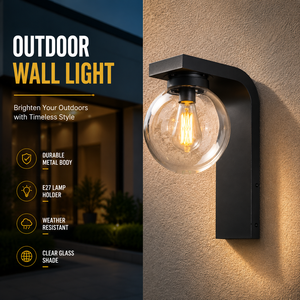
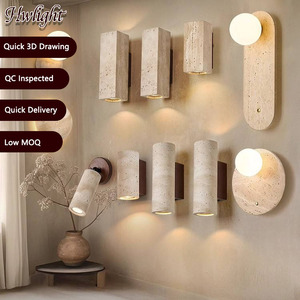
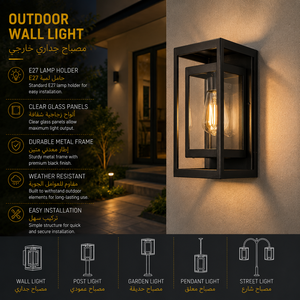
The South African architectural and interior design sector is undergoing a profound structural shift. From the heritage-rich Cape Dutch estates of Stellenbosch and Franschhoek to the industrial chic commercial developments of Sandton, Maboneng, and Rosebank, specifiers are increasingly moving away from mass-produced disposable fixtures in favor of high-grade, authentic Schoolhouse Glass Pendant Lights.
Originally engineered in the early 20th century to deliver shadow-free, glare-reduced ambient illumination across educational institutions, the classic schoolhouse pendant features a hand-blown opal glass globe—characterized by its iconic elliptical profile, soft diffused glow, and step-necked gallery fitting. In Southern Africa, this timeless aesthetic serves as a visual bridge between historical preservation and modern architectural minimalism.
However, delivering schoolhouse glass luminaires into the South African commercial and high-end residential market requires far more than aesthetic replication. Importers, lighting consultants, and commercial developers face distinct regional environmental and electrical challenges:
With South Africa’s national power grid subjected to frequent load-shedding cycles, lighting fixtures experience high voltage spikes (transients up to 300V+) during automatic grid restoration. Our schoolhouse pendants feature commercial-grade 100-277V wide-range constant current drivers integrated with 4kV/10kV surge protection devices (SPDs) to prevent driver burnout.
Developments along the Atlantic Seaboard (Cape Town, Camps Bay) and the Kwazulu-Natal coastline (Umhlanga, Ballito) present extreme atmospheric salinity. Standard brass-plated steel hardware corrodes within months. We engineer fixtures utilizing solid hand-forged brass, passivated stainless steel, and multi-layer C4/C5 marine-grade powder coatings.
South African National Standard (SANS 10142-1 Code of Practice for the Wiring of Premises) demands strict earthing, thermal insulation clearance, and fire-retardant lamp holder assembly. Every luminaire supplied by our facility undergoes rigorous dielectric strength testing to ensure instant LOA (Letter of Authority) registration with the NRCS.
When specifying schoolhouse glass pendants for public space interiors or high-humidity coastal verandas in South Africa, ensure the shade is manufactured from triplex hand-blown opal glass rather than single-layer spray-coated clear glass. Triplex glass features a micro-thin layer of white opal sandwiched between two layers of crystal glass, delivering maximum lumen output (>92% transmittance) without hotspot pixelation from modern high-efficacy LED engines.
Our custom manufacturing capabilities allow architects, interior designers, and hotel procurement directors across South Africa to tailor schoolhouse pendants to specific architectural typologies. Below are key regional application blueprints:
| Region & Typology | Architectural Style | Recommended Fixture Configuration | Technical & Environmental Requirements |
|---|---|---|---|
| Western Cape Winelands (Stellenbosch, Franschhoek) |
Cape Dutch Revival, Heritage Barn Conversions | 14-inch Triplex Milk Glass, Hand-Finished Antiqued Brass Gallery, Braided Fabric Cable Drop | Warm CCT (2700K), High CRI (>95) to highlight timber trusses; sealed glass fitters to exclude midges/insects. |
| Johannesburg Commercial Hubs (Sandton, Rosebank, Parkhurst) |
Industrial Loft, Contemporary Hospitality & Retail | 16-inch Satin Opal Glass, Matte Black Powder-Coated Rigid Stem, Integrated DALI-2 Dimming Driver | Wide-input voltage drivers (100-277V) with 10kV surge protection against high-veld lightning surges. |
| KZN Coastal Estates (Umhlanga, Ballito, Zimbali) |
Modern Coastal Plantation, Covered Patio Hospitality | 12-inch Heavy-Duty Opal Shade, IP65 Sealed Brass Canopy, Stainless Steel Internal Hardware | C5-M anti-corrosion clear seal coating over raw brass; UV-stabilized silicone gaskets for high marine humidity. |
| Safari Lodges & Eco-Resorts (Kruger Surrounds, Madikwe) |
Rustic Safari Elegance, Off-Grid Luxury Canvas Tents | 10-inch Fluted Schoolhouse Shade, Aged Copper Canopy, Low-Voltage (12V/24V DC) LED Engine | Direct integration with off-grid solar-inverter battery systems; zero UV emission drivers to prevent wildlife distraction. |
Analyzing the South African lighting market reveals distinct purchasing patterns driven by sustainability goals, power independence, and design authenticity. OEM/ODM suppliers must align manufacturing standards with these macro trends:
Due to grid instability, high-end South African developments are integrating localized DC microgrids and battery storage. Modern schoolhouse pendants are no longer passive fixtures; they require smart constant-current LED engines capable of operating across dual-mode AC/DC power sources. Specifiers demand flicker-free (THD < 10%) dimming options compatible with Lutron, Control4, and DALI architectural automation systems.
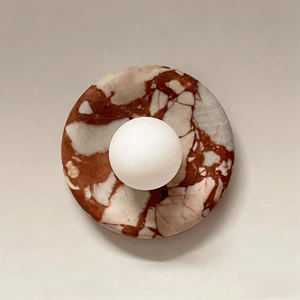
Interior designers are pairing the traditional blown opal globe with contemporary accents—such as natural red marble sconces, travertine stone details, and raw copper trims. By offering bespoke metal finishing (such as hand-applied oil-rubbed bronze, brushed brass, and matte industrial black), manufacturers enable seamless design continuity between pendant clusters and wall sconces.
The Department of Mineral Resources and Energy (DMRE) and the NRCS have tightened compulsory specifications for lighting efficacy in South Africa. Legacy incandescent schoolhouse fittings are obsolete. Modern specifiers mandate high-lumen LED modules delivering over 120 lm/W with L80B10 rated lifespans exceeding 50,000 hours, significantly reducing maintenance cycles in high-ceiling commercial spaces.
In coastal and sub-tropical South African zones, unsealed pendant galleries collect moisture, dust, and insects, degrading light transmission over time. Premium schoolhouse designs now incorporate concealed IP44 to IP65 silicone seals around the neck fitter, preventing internal glass contamination without compromising thermal dissipation.
As a single-source custom decorative and architectural lighting manufacturer, we bridge the gap between initial conceptual drawings and crated global export. Unlike trading intermediaries, we maintain complete end-to-end control over metal fabrication, glass artisanry, electrical engineering, and quality verification under one roof.
We transform simple hand sketches or CAD elevations into detailed shop drawings. Complete with weight calculations, canopy mounting specifications, center-of-gravity analyses, and IES photometric files, our submittal packages streamline approval processes for South African architectural boards.
Our glass studio specializes in authentic mouth-blown opal glass, bent glass, and custom art glass. Paired with hand-forged ironwork, spun brass, and hand-applied chemical patinas, every luminaire exhibits tactile luxury unattainable through automated mass production.
All custom builds are tested to UL, cUL, and IEC standards, engineered specifically for 220–240V 50Hz international distribution. Products are shipped in custom-engineered ISPM-15 compliant reinforced wooden crates, ensuring zero breakages during sea freight to Durban or Cape Town ports.
Clear, authoritative technical answers to assist importers, electrical contractors, and interior architects during the procurement process.
Yes, absolutely. Every luminaire manufactured for the South African market is engineered specifically for 220–240V at 50Hz. We supply SANS 10142-1 compliant E27 / B22 ceramic lamp holders or integrated constant-current LED drivers with wide-voltage input tolerance (100–277V AC) to handle voltage fluctuations common in regional grids.
For coastal specifications (C4/C5 marine environments), we utilize solid die-cast brass or passivated 316-grade stainless steel components. Metal surfaces undergo a multi-stage pretreatment process followed by thermosetting architectural-grade powder coat or sealed lacquers, preventing salt fog oxidation, pitting, and discoloration.
Because we are a direct manufacturer, we offer flexible ordering terms. Standard catalog modifications have low or no MOQ requirements, while large custom architectural projects are scheduled according to construction milestones. Made-to-order fixtures typically complete fabrication within 4 to 6 weeks, followed by ocean or air freight dispatch to South African ports.
Yes. We supply comprehensive submittal packages including IEC test reports, UL/cUL certificates of compliance, full photometric IES files, wiring schematics, and cut sheets required by South African compliance agents for NRCS LOA issuance.
Yes. We offer custom driver options fitted with emergency battery backup modules (providing 60 to 180 minutes of continuous illumination during power interruptions) as well as DC-compatible drivers designed to interface seamlessly with off-grid solar-inverter systems without humming or flickering.
Every schoolhouse glass shade is individually drop-tested and packaged in custom-molded high-density EPE foam cradles. Glass shades and heavy metal drop rods are packed in separate reinforced master cartons, which are then palletized or encased in ISPM-15 stamped export wooden crates engineered to withstand multi-port transshipment handling.
Whether you are detailing a historic Cape Winelands resort, specifying a Sandton corporate head office, or sourcing custom lighting packages for high-end residential estates, our engineering team is ready to assist.