Custom-engineered lighting solutions optimized for Canadian architectural specifications
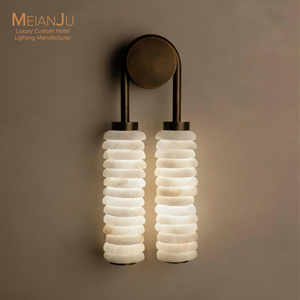
Inverted stained glass pendants—frequently specified as decorative bowl uplights or indirect ceiling pendants—represent a unique synthesis of artisan glassmaking and structural engineering. Unlike standard downward-facing pendant lamps, an inverted pendant cradles its light engine within a basin-shaped art glass structure. This configuration directs light upward to bounce off ceilings, producing soft, diffused ambient illumination that eliminates glare in expansive interiors.
For Canadian commercial specifiers, electrical contractors, and luxury residential interior designers, selecting an overseas or North American manufacturing partner requires navigating distinct technical criteria. The Canadian architectural landscape demands compliance with CSA C22.2 No. 250.0-08 standards, resilience against extreme ambient temperature variations during freight transit, and seamless integration with modern energy-efficient LED ballast systems and smart controls.
Critical benchmarks for sourcing inverted stained glass pendants for Canadian projects
Premier manufacturers utilize genuine hand-cut opalescent, cathedral, and slag glass (sourced from vendors like Spectrum or Wissmach). Inverted bowls must handle upward thermal radiation without stress fracturing across soldered copperfoil seams.
Inverted pendants bear total bowl weight on perimeter solder points. Factory engineering must incorporate inner heavy-gauge copper foil reinforced with internal steel core wires or brass came to prevent glass sag over time.
All luminaires exported to Canadian provinces (Ontario, BC, Quebec, Alberta) must carry cUL or CSA marks. Uncertified fixtures fail municipal building code inspections, risking project delays and insurance invalidation.
Because heat rises naturally into an inverted glass bowl, top-tier manufacturers design hidden venting apertures in the central mounting hub to vent heat away from high-lumen LED engines and electronic drivers.
Export models serving commercial Canadian developments require dual 120V/277V capability, 0-10V dimming integration, and compatibility with Lutron or Crestron architectural lighting automation systems.
Heavy inverted art glass bowls require robust suspension—utilizing solid brass drop rods, aircraft cables, or welded steel chains capable of supporting 5x the dynamic fixture weight to withstand seismic requirements.
Leading exporters provide architects with detailed 2D shop drawings, Revit BIM models, weight specs, and IES photometric files to facilitate seamless integration into project blueprints.
Art glass bowls are inherently fragile. Experienced exporters build custom molded foam shells and reinforced plywood crates to withstand freight handling over long rail and truck routes across Canada.
Modern eco-conscious builds demand lead-free solder options or protective clear-coat encapsulants to comply with green building initiatives (LEED Canada) and health regulations for public space deployment.
Vertical integration guarantees that glass cutting, forging, soldering, electroplating, and testing occur under one roof—eliminating middleman markups and offering strict lead-time accountability.
Engineering parameters for B2B procurement & architectural specifications
| Specification Metric | Standard Commercial Grade | Luxury Architectural Custom | Compliance Standard |
|---|---|---|---|
| Glass Type | Stained / Hand-Cut Art Glass | Tiffany Copperfoil / Bent Fused Glass | ASTM C1036 / C1048 |
| Suspension Assembly | Triple Chain / Tubular Stem | Reinforced Steel Core Aircraft Cable | Safe Load Factor 5:1 |
| Input Voltage | 120V AC (Residential) | 120V–277V Multi-Tap (Commercial) | CSA C22.2 No. 250.0 |
| Color Temperature (CCT) | 2700K – 3000K Warm Ambient | Tunable White / 5CCT Selectable LED | ANSI C78.377 |
| Finish Options | Mahogany Bronze / Dark Antique | Hand-Applied Patina / Custom Metal-Tex | Salt Spray Corrosion Resistance |
| Freight Protection | Double-Wall Carton + Polyfoam | Custom Plywood Crate + ShockWatch | ISTA 3A Transit Tested |
The architectural diversity of Canada requires adaptable lighting aesthetics and engineering. Inverted stained glass pendants serve distinct roles depending on regional heritage and construction styles:
1. Pacific Northwest & British Columbia (Vancouver, Victoria, Whistler):
Modern Alpine Lodges and Craftsman-style coastal homes favor heavy nature-inspired motifs—such as Pinecone, Mission Dragonfly, and Wabi-Sabi earth tone stained glass. Inverted pendants provide comfortable glare-free lighting under timber-frame ceilings, complementing natural cedar and stone interiors.
2. Central Commercial Hubs (Toronto, Ottawa, Mississauga):
In high-ceiling boutique hotels, financial district boardrooms, and historic municipal buildings, grand inverted chandeliers serve as focal centerpieces. Indirect illumination casts light across decorative plaster ceilings, highlighting historic details without creating harsh shadows.
3. Heritage Restorations & Eastern Canada (Montreal, Quebec City, Halifax):
Quebec’s rich architectural heritage demands authentic Victorian and Art Nouveau Tiffany reproductions. Inverted stained glass bowls with intricate botanical, Cabbage Rose, or Geometric Craftsman patterns match historic preservation requirements while incorporating modern low-energy LED engines.
As a vertically integrated decorative lighting manufacturer with over 50 years of experience, every fixture—from initial CAD shop drawing to hand-cut glass soldering, metal forging, and custom patina finishing—is designed, engineered, and crafted under one roof in Yorkville, New York, USA. Serving architects, interior designers, lighting showrooms, and contract procurement managers across North America and globally.
Addressing procurement, shipping customs, electrical codes, and custom fabrication
Yes. All fixtures built for the Canadian market are manufactured to meet cUL and CSA (Canadian Standards Association) requirements under standards such as CSA C22.2 No. 250.0-08. Complete electrical submittal packages, cut sheets, and photometrics are provided with every order.
We engineer custom protective packaging for every inverted bowl size. Shades are suspended inside custom-molded high-density foam cells, packed within double-wall outer cartons or reinforced plywood crates. Shipments are fully insured and include shock-monitoring sensors to guarantee safe delivery to project sites in any province.
Absolutly. Because metal fabrication, glass work, and assembly occur under one roof, we routinely customize bowl diameters (from 16 inches to over 72 inches), overall suspension drop lengths, metal finishes (Mahogany Bronze, Antique Copper, Brushed Nickel), and glass color palettes based on your project drawings.
Standard catalog and made-to-order fixtures typically ship within 3 to 5 weeks. Large-scale custom architectural packages are scheduled against your construction timeline, with expedited engineering submittals delivered in 5 to 7 business days for initial sign-off.
As products designed, engineered, and manufactured in North America (Yorkville, NY, USA), our qualifying handcrafted fixtures take advantage of preferential tariff treatment under USMCA / CUSMA guidelines. Our export logistics team provides all necessary Certificates of Origin and customs paperwork for seamless clearance through Canada Border Services Agency (CBSA).