
Engineered for extreme atmospheric durability, refined optical diffusion, and seamless aesthetic integration in high-density urban developments.
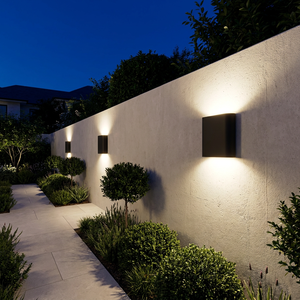
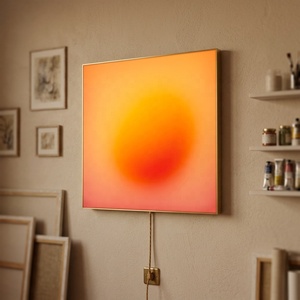
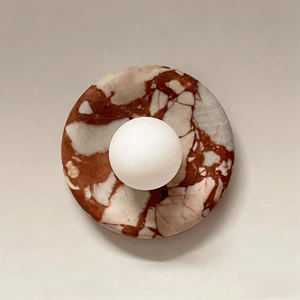
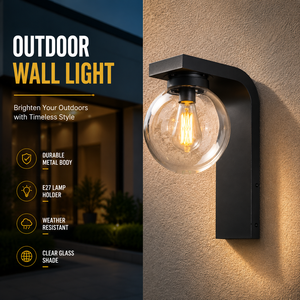
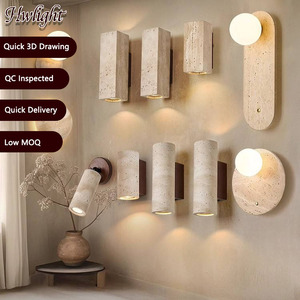
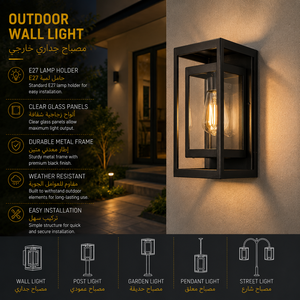
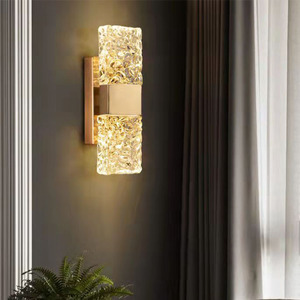
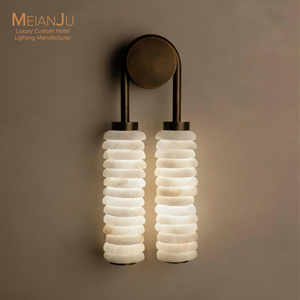
Tokyo’s urban ecosystem represents one of the world's most sophisticated intersections of dense modern infrastructure, strict environmental regulations, and deeply rooted minimalist design aesthetics. From high-rise commercial complexes in Shinjuku and Roppongi to luxury boutique hospitality venues in Ginza and Omotesando, lighting specification demands absolute optical precision, extreme thermal efficiency, and compliance with the Tokyo Metropolitan Building Code.
Architectural projects in Japan face unique micro-climatic and seismic demands. Luminaire housing must resist seismic vibrations (JIS C 8105 standards), typhoon-level driving precipitation along Tokyo Bay (Odaiba, Toyosu), and intense urban thermal cycles. Sourcing directly from top-tier Chinese manufacturing partners enables Tokyo architectural firms, general contractors (Taisei, Kajima, Obayashi), and lighting designers to obtain custom-engineered, specifier-grade luminaires while achieving 30% to 45% cost efficiencies over domestic supply chains.
Sub-standard luminaires deployed in Tokyo commercial real estate frequently suffer from driver degradation caused by voltage variances (100V 50Hz grid specific to Eastern Japan), surface oxidation in coastal humidity, and thermal throttling in compact ceiling plenums. To prevent premature lumen depreciation, premium export manufacturing utilizes:
| Evaluation Parameter | Direct Tier-1 China OEM/ODM Partner | Domestic Japanese Brand Resellers | Generic Trading Intermediaries |
|---|---|---|---|
| Custom Engineering (CAD/BIM) | Full 3D CAD modeling, 48-hr shop drawings & custom optical lens tooling | Fixed catalog dimensions; high cost & extended lead time for custom modifications | No internal engineering capacity; reliant on off-the-shelf components |
| Compliance Certification | Factory-direct PSE (Circle/Diamond), JIS C 8105, RoHs & CE test reports | Pre-certified (costs built into high unit retail margins) | Inconsistent documentation; risk of customs detention at Tokyo Port |
| Production Lead Time | 2 to 4 weeks (Rapid prototyping to finished crated shipment) | 1 to 2 weeks (stock) or 8 to 12 weeks (custom factory orders) | Unpredictable logistics dependent on sub-suppliers |
| Color Rendering & Binning | MacAdam 3-Step Ellipse, CRI > 90 / 95+, CCT Selectable (2700K-5000K) | High quality, but rigid single-CCT options per model code | Variable binning; risk of color shifting across large batch orders |
| B2B Cost Efficiency | Direct factory price structure (30-45% structural savings) | High markup covering multi-tier domestic distribution networks | Low initial unit cost but high risk of replacement and failure expenses |
By consolidating die-casting, CNC machining, metal spinning, stained glass crafting, powder coating, assembly, and photometric testing under one roof, we eliminate third-party delays and preserve absolute structural accountability.
Our in-house engineering studio converts architectural sketches and Revit files into fully detailed shop drawings complete with mechanical stress tests, seismic bracket design, and precise wattage load calculations tailored for Tokyo grid infrastructure.
Every single luminaire destined for Japan undergoes stringent electrical isolation testing, high-voltage dielectric withstand checks, thermal chamber soak testing, and optical goniophotometric validation to strictly satisfy Japan’s Electrical Appliance and Material Safety Law.
From hand-applied antique patina finishes to multi-layer electroplated gold, micro-textured powder coats, and vacuum-metallized reflector cavities, our surfaces withstand salt-spray exposure (ASTM B117 tested for 96+ hours) ideal for Tokyo waterfront projects.
Architects operating in Tokyo must balance floor-area-ratio (FAR) efficiency with visual comfort. This has driven three distinct architectural lighting trends across Kanto-area projects:
Tokyo municipal environmental guidelines emphasize minimal light pollution in residential zoning districts (Class 1 & Class 2 Exclusively Residential Zones). Modern exterior wall sconces utilize cut-off optics, adjustable louvers, and indirect beam distribution to ensure light is directed strictly where required, maintaining Unified Glare Ratings (UGR) below 19.
With Tokyo hotels catering to global luxury travelers, indoor environments require dynamic color temperature control. Luminaire systems offering field-selectable CCT (ranging from 2700K warm candle-tone for evening relaxation to 5000K crisp daylight for morning alertness) allow hotel operators in Marunouchi and Nihonbashi to adjust spatial moods instantly without replacing hardware.
Following the international rise of Japanese minimalist design principles, contemporary interior spaces heavily feature tactile, natural materials. Utilizing genuine travertine stone bases, copper-alloy accents, and hand-cut translucent alabaster shades bridges the gap between traditional Japanese craft heritage and clean-lined contemporary commercial architecture.
Clear answers regarding certification, customs logistics, technical modifications, and project support for Japanese architectural installations.
All luminaires destined for Japan are engineered to meet PSE technical requirements. For Category B (Circle PSE) non-specified electrical appliances, we supply complete internal wiring compliance documentation, insulation test data, and factory self-declaration records. When specified, we integrate pre-certified PSE-marked LED drivers from leading global brands (such as MeanWell, Lifud, or HEP) optimized for 100V 50Hz/60Hz Japanese mains voltage.
Yes. Tokyo building codes require light fixtures to remain securely anchored during major seismic events. Our engineering department can modify standard mounting plates to incorporate reinforced steel safety cables (aircraft wire lanyards), heavy-duty threaded anchor bolts, and dual-locking hardware designed to prevent detachment during vibration stress.
Standard modified catalog fixtures ship within 14 to 21 working days following shop drawing sign-off. Complex custom fixtures requiring dedicated tooling or rare natural stones (such as custom-cut travertine or copper forging) typically take 30 to 45 days. Transit time via fast sea freight from Shanghai/Ningbo to Tokyo Port is exceptionally fast, taking only 3 to 5 days in transit.
Absolutely. As a vertically integrated manufacturer, we do not impose artificial high Minimum Order Quantities (MOQs) on custom architectural programs. We regularly fabricate single mock-up prototypes for client approval prior to full production release for boutique hospitality and high-end residential developments.
Every project package includes complete 2D CAD dimensional cut sheets, 3D BIM/Revit models, IES photometrics files for Dialux light simulation calculations, wiring diagrams, installation manuals, and official Certificate of Origin (CO) documentation to streamline Japanese customs clearance.
Consult directly with our senior architectural lighting engineers. Request shop drawings, photometric files, factory-direct wholesale pricing, and sample swatches for your upcoming specification.
Get a Quote